
 : 615 336 9653
: 907 209-7601
: 615 336 9653
: 907 209-7601

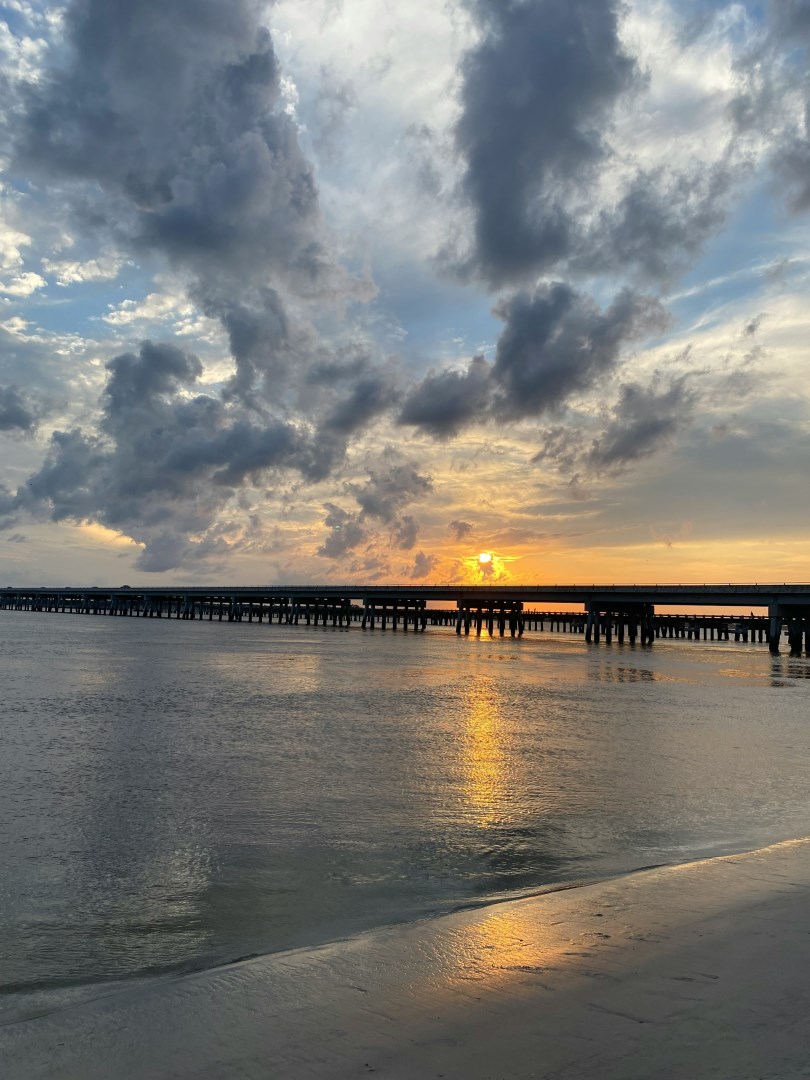
Amelia Island is a barrier island on Florida’s northeast coast, located near the Georgia state line and about 30 minutes north of Jacksonville. The island stretches roughly 13 miles and combines Atlantic beaches, salt marshes, maritime forests, and the historic port community of Fernandina Beach. Its compact size makes it possible to move easily between the oceanfront and the island’s historic districts, while waterways on the western side connect to the Intracoastal Waterway. The landscape supports fishing, boating, kayaking, cycling, horseback riding, and other outdoor activities throughout the year.
Amelia Island has an unusually layered history, with Indigenous Timucua communities followed by periods of Spanish, French, British, and American influence. The island is noted for having flown under eight different national flags, a distinction reflected in local museums and historic buildings. Fernandina Beach’s Historic District contains preserved Victorian-era architecture, while the Amelia Island Museum of History explores the island’s changing communities and maritime past. Fort Clinch, a well-preserved masonry fort at the northern end of the island, adds military history through its rooms, grounds, artifacts, and living-history programs.
The island’s natural attractions range from wide Atlantic beaches to marshes and maritime hammocks. Fort Clinch State Park protects more than 1,400 acres and includes trails beneath live oaks, a historic fort, fishing areas, campsites, and a long stretch of shoreline. Amelia Island State Park protects more than 200 acres at the southern end, where beaches, salt marshes, and coastal forests provide habitat for shorebirds and other wildlife. The Amelia Island Lighthouse, the oldest existing lighthouse in Florida, remains another notable landmark, with its beacon visible from far offshore.
Seafood is closely tied to Amelia Island’s coastal identity, particularly locally caught shrimp, which is celebrated through the annual Isle of Eight Flags Shrimp Festival. Shrimp and grits also reflect the island’s Gullah Geechee connections, while restaurants across Fernandina Beach serve oysters, fish, crab, and other regional dishes. American Beach, a historically significant African American community, adds another important layer to the island’s story and is home to the A.L. Lewis Museum. The island is also known for the Florida House Inn in Fernandina Beach, recognized as Florida’s oldest surviving hotel.

Natalie Bradford
615 336-9653
Chris Carte
907 209-7601
Rena Shannon
615 594-5844
Great Time Travel, LLC
4401 Riverside Drive Unit B3
Juneau, AK 99801
